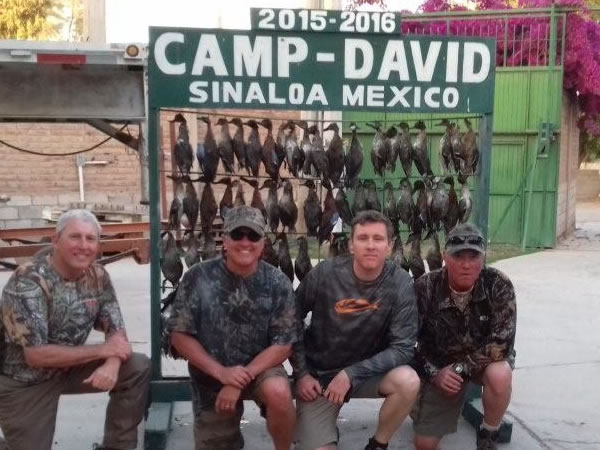
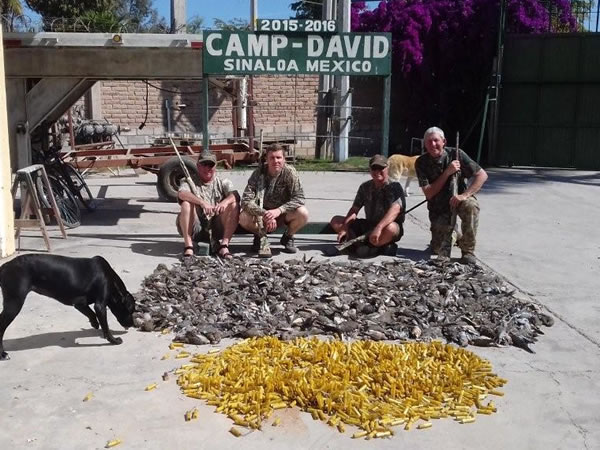
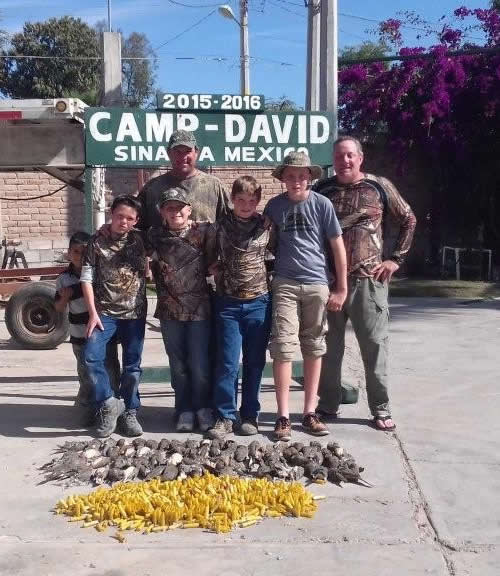
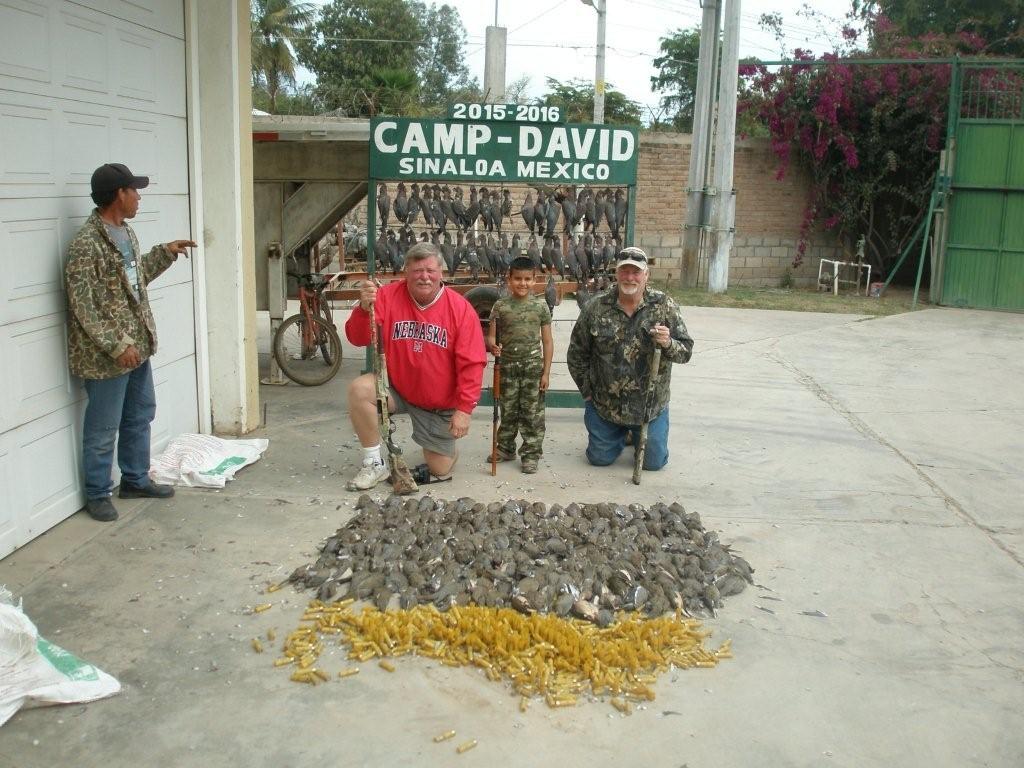
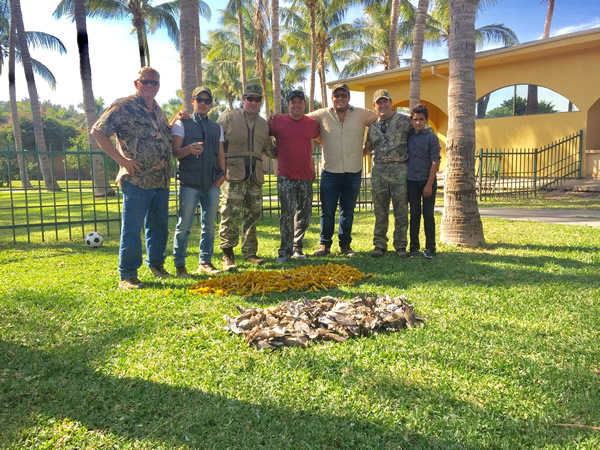
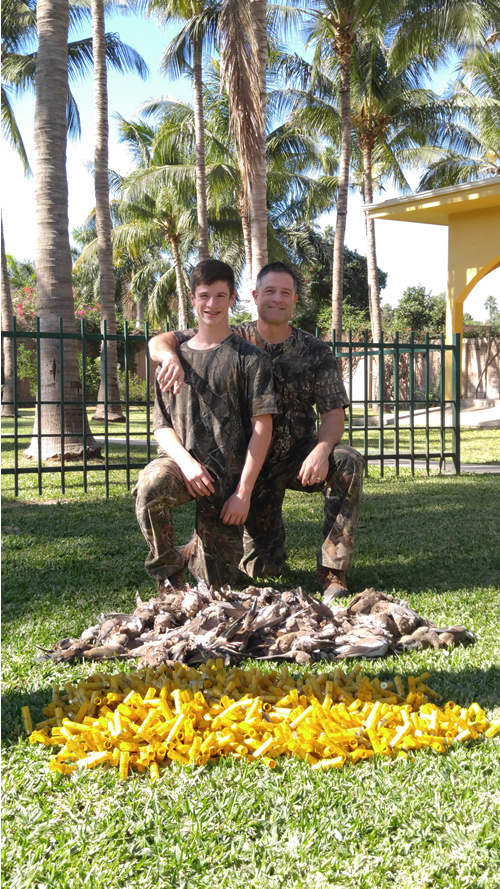
Duck and Dove hunting in Mexico at its very finest!

Duck Hunting with Shotguns: A Deep Dive into Tradition, Skill, and Outdoor Passion

Duck Hunting with Shotguns: A Deep Dive into Tradition, Skill, and Outdoor Passion

Duck hunting with shotguns is one of the oldest and most respected forms of waterfowl hunting in the world. For generations, people have taken part in duck hunting as a way to provide food, connect with nature, and enjoy the tradition of the sport. Duck hunting is not just about shooting ducks; it is about waking up early before sunrise, listening to the marsh come alive, setting decoys carefully across the water, calling ducks from the sky, and working in sync with nature. Duck hunting is a lifestyle that brings hunters closer to the outdoors and teaches patience, respect, skill, and appreciation for wildlife.

Duck hunting with shotguns requires knowledge, preparation, and dedication. The shotgun has always been the primary tool used in duck hunting because it allows hunters to shoot moving birds in flight. Choosing the right shotgun for duck hunting is an important decision, because the shotgun must be reliable, durable, and able to withstand harsh outdoor conditions. Many hunters prefer 12-gauge shotguns for duck hunting because they offer a good balance of power, range, and ammunition availability. Some hunters also use 20-gauge shotguns for duck hunting, especially when they want a lighter firearm or when younger hunters are learning the sport.

The type of ammunition used in duck hunting has changed significantly over time. In the past, lead shot was commonly used in duck hunting, but lead shot was banned because it was discovered to harm wetlands and wildlife. Today, duck hunting requires non-toxic shot like steel, bismuth, or tungsten. Understanding how different ammunition behaves is important in duck hunting, because steel shot, for example, travels faster but loses energy quickly, while tungsten is heavier and hits harder at longer distances. A successful duck hunting experience depends on selecting the right shot size and material to humanely and effectively harvest birds.

Another major part of duck hunting is the shotgun choke. The choke controls how wide the shot spreads when it leaves the barrel. Different duck hunting situations require different chokes. For example, if ducks are landing very close to the decoys, a more open choke like improved cylinder is helpful. If ducks are flying higher and farther away, a tighter choke like modified or full may be better. Duck hunting is about adapting to changing conditions, and choosing the correct choke and ammunition combination is key to success.

However, duck hunting is not just about the gun. One of the most enjoyable and important parts of duck hunting is working with duck decoys and duck calls. Duck decoys are placed in the water to imitate real ducks and attract flocks from above. The pattern in which decoys are placed can greatly influence duck hunting success. Many duck hunting setups use a “U” or “J” shape to create a landing zone where real ducks feel safe to land. The hunter hides in a blind, camouflaged, and waits for the ducks to commit to the spread.

Duck calls also play a huge role in duck hunting. A good duck call can convince ducks flying overhead that there are real ducks below. Learning to blow a duck call correctly takes practice, patience, and time. Duck hunting calls include greeting calls, feeding chuckles, comeback calls, and even soft finishing calls when ducks are circling the decoys. The art of calling is something many duck hunters take pride in, and mastering duck calling is one of the most rewarding challenges in duck hunting.

A major aspect of duck hunting that sets it apart from many other outdoor activities is the connection between hunter and dog. Duck hunting with a retriever is a partnership built on trust and training. A well-trained retriever makes duck hunting more efficient and respectful, because the dog helps recover harvested birds quickly and prevents loss. Ducks often fall in thick reeds, deep water, or long distances from the blind, and a retriever’s job is to locate and bring them back. Many hunters consider their retriever not just a dog, but a loyal partner and a crucial part of the duck hunting experience.

Duck hunting takes place in many environments, including marshes, rice fields, lakes, rivers, flooded timber, and coastal wetlands. Each duck hunting environment requires different strategies. For example, duck hunting in flooded timber requires close-range shooting and calling to draw ducks into tight spaces. Duck hunting in open water might require large decoy spreads and longer shots. Duck hunting in rice fields often involves natural feeding patterns that attract large flocks. Learning to adapt to different environments is key to becoming skilled in duck hunting.

Duck hunting also teaches respect for wildlife conservation. Duck hunting would not be possible without healthy duck populations, and many duck hunting organizations work hard to protect wetland habitats. Groups like Ducks Unlimited and Delta Waterfowl focus on restoring wetlands, preserving nesting grounds, and researching duck migration patterns. Duck hunters are often some of the strongest supporters of conservation, because they understand that without healthy habitat, duck hunting would not exist. Duck hunting teaches responsibility, ethics, and the importance of giving back to the land.

The culture around duck hunting is rich and deeply rooted in tradition. Duck hunting brings families together, creates lifelong memories, and allows hunters to pass knowledge down from one generation to the next. There is something special about sitting in a duck blind with friends or family, telling stories, drinking coffee in the cold morning air, and watching the sun rise across the water. Duck hunting builds bonds that last a lifetime.

Duck hunting with shotguns is much more than a sport. Duck hunting is a tradition, a connection to nature, a test of skill, and a lifestyle that many people hold dear. Duck hunting teaches patience, respect, responsibility, and appreciation for the outdoors. Whether setting decoys in icy water, calling ducks from the sky, training a loyal retriever, or simply watching the marsh wake up, duck hunting offers something meaningful and unforgettable. Duck hunting is not just about the harvest, duck hunting is about the experience, the environment, and the timeless relationship between hunter and nature.
Continue reading...

Duck Hunting in Sinaloa, Mexico: The Waterfowl Capital of the Pacific Flyway

Duck Hunting in Sinaloa, Mexico: The Waterfowl Capital of the Pacific Flyway

Duck hunting in Sinaloa, Mexico is widely recognized as one of the most incredible duck hunting experiences anywhere in North America. Hunters from across the United States, Canada, and even Europe travel to Sinaloa every season to enjoy the perfect combination of ideal duck hunting habitat, warm weather, abundant duck populations, expert local guiding, and the natural beauty of the region. For passionate hunters, duck hunting in Sinaloa provides action, adrenaline, tradition, and unforgettable memories that last a lifetime.

Why Sinaloa Is the Heart of Duck Hunting in Mexico

Sinaloa sits directly along the Pacific Flyway, one of the most important migratory waterfowl routes in the world. Every winter, millions of ducks travel south from the northern United States and Canada, settling into the rich wetlands, lagoons, river deltas, and agricultural fields of Sinaloa. These natural environments provide ducks with exactly what they need — warm weather, shelter, and plentiful food sources — making duck hunting in Sinaloa incredibly productive throughout the entire season.

Unlike northern regions where duck hunting can be restricted by freezing temperatures and frozen marshes, Sinaloa enjoys a comfortable winter climate. The weather stays pleasant, the wetlands remain open, and the birds stay active — all season long. This makes duck hunting in Sinaloa not only successful but enjoyable and comfortable. Hunters can spend long mornings in the blinds, scenic rides across coastal water, or peaceful hunts tucked into rice field edges, all without the harsh cold that often comes with northern duck hunting.

The Best Areas for Duck Hunting in Sinaloa

Sinaloa is home to several of the most productive and scenic duck hunting areas in Mexico. Among these, Los Mochis and Topolobampo Bay stand out as world-class waterfowl hunting destinations.

Los Mochis

Los Mochis is widely considered the capital of duck hunting in Sinaloa. The region is surrounded by:

  • Rice fields
  • Corn fields
  • Sorghum fields
  • Wetland floodplains
  • Shallow marshes

These agricultural and wetland areas create ideal feeding and resting habitats for migrating ducks. Duck hunting in Los Mochis is known for fast-paced action, consistent shooting opportunities, and impressive mixed-species flocks. Morning hunts often include teal streaking low over the water, wigeon whistling across the fields, shovelers circling the decoys, and pintails gliding in with graceful perfection.

Topolobampo Bay

Topolobampo Bay is one of the most visually stunning duck hunting areas in Sinaloa. With its saltwater bay, mangrove shorelines, tidal flats, and coastal lagoons, the bay attracts both dabblers and divers in large numbers. Duck hunting in Topolobampo often includes redheads, canvasbacks, blue-winged teal, spoonbills, and even brant on certain days. The experience here is dynamic, exciting, and truly picturesque — sunrise boat rides, silhouettes of birds cutting across the horizon, and fast shooting over open water.

El Fuerte River Wetlands

The El Fuerte River system offers a more tranquil style of duck hunting in Sinaloa. These wetlands and river islands provide calmer waters and gentle scenery, perfect for hunters who enjoy peaceful hunts surrounded by nature.

Species Commonly Found During Duck Hunting Season in Sinaloa

Because Sinaloa’s wetlands and farmlands stay warm and productive, duck hunting in Sinaloa provides a diverse number of species, including:

  • Blue-winged and Green-winged Teal (extremely common)
  • Northern Pintail
  • Northern Shoveler
  • Gadwall
  • American Wigeon
  • Redhead
  • Black-bellied Whistling Ducks
  • Spoonbills
  • Occasional canvasback and diver species

This variety is one of the reasons duck hunting in Sinaloa is so popular — no two hunts are ever the same.

The Duck Hunting Experience at Camp David in Sinaloa

Duck hunting in Sinaloa is not only about the birds — it is also about the atmosphere and the hospitality, and Camp David specializes in creating a complete hunting experience.

Hunters stay in comfortable lodge accommodations, where they enjoy:

  • Traditional Sinaloa meals prepared fresh daily
  • Warm, welcoming service
  • A relaxed and friendly camp environment

Evenings at Camp David often include sharing stories beside the fire, cleaning gear for the next hunt, and enjoying the companionship that makes duck hunting in Sinaloa special.

Guided Hunt Features

Duck hunting at Camp David typically includes:

  • Early morning transportation to blinds by airboat or skiff
  • Experienced local guides who understand duck behavior and weather patterns
  • Decoy spreads and blind setup done for you
  • Well-trained retrievers to recover birds
  • Breakfast at the lodge or packed to the blind

This allows hunters to simply relax and enjoy the duck hunting experience in Sinaloa without stress or preparation.

Regulations and Conservation in Sinaloa Duck Hunting

Duck hunting in Sinaloa is regulated carefully to maintain healthy waterfowl populations. Camp David handles:

  • Hunting permits
  • Gun permits (if traveling with firearms)
  • Local licensing paperwork

Many duck hunting lodges in Sinaloa, including Camp David, directly support conservation through:

  • Wetland habitat protection
  • Scientific waterfowl monitoring
  • Population sustainability programs

This ensures duck hunting in Sinaloa remains strong for future generations.

Why Hunters Return to Sinaloa Year After Year

Duck hunting in Sinaloa stands out because:

  • The bird numbers are extraordinary
  • Weather conditions are comfortable and consistent
  • The habitat is highly productive
  • Local guides are skilled and passionate
  • The culture, food, and hospitality are welcoming and enjoyable

For many hunters, Camp David in Sinaloa becomes a yearly tradition — a place where the experience matters as much as the hunt.

Conclusion

Duck hunting at Camp David in Sinaloa, Mexico is more than a sport — it is a complete adventure, rich with tradition, nature, and camaraderie. The rice fields of Los Mochis, the blue waters of Topolobampo Bay, and the quiet wetlands of El Fuerte create some of the most productive and scenic duck hunting environments anywhere in the world. For hunters passionate about waterfowl, duck hunting in Sinaloa offers unmatched opportunities, unforgettable memories, and a connection to the land, the birds, and the people that make this place truly exceptional.

Continue reading...

Tips for Cold Weather Hunting

Tips for Cold Weather Hunting

It’s winter, and hunting season is upon us. If you’re a hunter, you’ll spend more time in the woods than usual, and the cold can be uncomfortable if you’re not used to it. Even though Mexico doesn’t get drastic temperature drops, it can still get cold. Here are some tips on how to make your next hunting trip successful.

1. Wear The Right Clothes

When choosing your hunting gear, think about it in layers. The most important thing is to wear a base layer next to your skin, then layers of insulation on top—this helps keep you warm and dry. Avoid cotton, as it holds moisture and doesn’t insulate well. Wear a hat and gloves if you can, or at least have them handy to put on during the hunt.

2. Keep Your Feet Dry

One of the most important things you can do to maintain your ability to stay warm is to keep your feet dry. If you’re spending a lot of time sitting in an open blind or on a tree stand, it’s easy for water and snow to seep into your boots and get trapped against your skin. The wetness will cool you off faster than anything else, so make sure you don’t leave any room for moisture by wearing proper socks and waterproof boots.

3. Bring Cold Weather Accessories

Hand warmers are great for keeping hands nice and cozy during breaks from sitting still outdoors in the cold weather—and they’re inexpensive. If you’re using an infrared heat lamp for warmth at home, bring one with you so that after sitting still for long periods without moving much. Your hands will stay warmer than they would otherwise be without engaging in other activities besides holding binoculars or rifle supports.

4. Consider Investing in a Heater Cushion

While you’re out in the woods, consider investing in a heated seat cushion. Heated seat cushions are portable and can be used in a car or truck, on a boat, ATV, or snowmobile, and even at home. These little gems are also great for keeping your backside warm while sitting outdoors.

5. Reconsider Your Hunting Schedule

It can be pretty cold later in the afternoon. The last thing you want is to be stuck outdoors when it gets dark. Consider hunting in the morning or evening instead of at midday. Look for less populated spots with hunters, as these tend to be more peaceful and productive for the most part.

And remember, if you’re a warm-weather hunter who wants to try cold-weather hunting, don’t be afraid! One of the best things about hunting is getting out and enjoying the outdoors. Just keep these tips in mind, and you’ll have a great time enjoying the beauty of wintertime.

Geraldine Orentas is a writer in partnership with Marv Golden Pilot Supplies

Continue reading...

Tons of Ducks!

Tens of thousands of ducks have arrived here, and my dove fields are as full as I have ever seen them!!  What a year to hunt in Mexico, if you can! I have an extension to keep the season open until March 15th this year. Don’t miss this if you love fast duck and dove shooting.

Continue reading...

Things are looking good!

I have been seeing many more blue wing teal showing up already by the thousands!! Great duck season in front of us this year. The sesame is grown and starting to dry on the stocks for the dove in my own private dove fields. Come on down, if you can, for the hunt of your lifetime .

Continue reading...

Update for 12 Feb 13

This year’s hunting was as good as it gets.

Look for yourselves!

A great vacation for a father/son hunt this 2012-2013 season, with lots of birds for all. The 2013 season was super for the dove!

Do they look happy?

Here we have whole family and a lifelong friend with them that had the best hunt they have ever had. Three days of HOT dove shooting at its best.

GREAT FAMILY FUN HERE AT CAMP DAVID !!

My little one, Bronson Warner, learning at a very young age to hunt.

Continue reading...

Ducks Galore!

The duck marsh’s look like mid January, since there are so many ducks here right now. It looks like it will be one of the best seasons in a long time . There are TONS of blue wing teal here. The sesame fields just got a couple of more inches of rain and it will be a bumper crop for the dove hunters!

COME ON DOWN! IT AS SAFE AS CAN BE HERE!

Continue reading...

Update 02-12-12

These are returning dove hunters that love to shoot and I have the best place in all of Mexico to do just that at the right price. So book a hunt and start the enjoyment of your life time hunting at Camp David in Mexico.

These are returning dove hunters that love to shoot

Continue reading...

Update 01-20-12

What a duck shoot today! Nice warm weather and a ton of fast flying teal. Hunt with the best outfitter in Mexico and you have all of Febuary to do it in with places open. Come on for the fun!!

What a duck shoot today!

These hunters had a blast today hunting!


These hunters had a blast today hunting!

Continue reading...